Torque SDK
Install Torque SDK in Node.js.
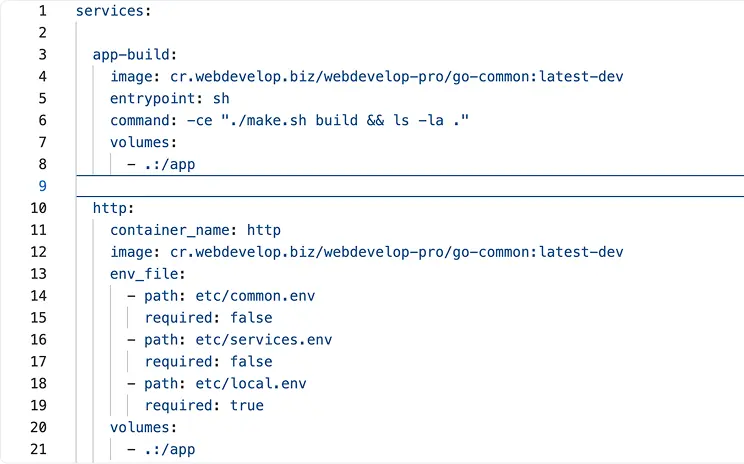
Use Node.js 22 or newer to install the framework-free ESM package. This local check needs no API key, service origin, or live request.
Create a Node.js project
mkdir torque-sdk-demo
cd torque-sdk-demo
npm init -y
Install the SDK
npm install @global-torque/sdkNODEJS SDK
A focused set of transport and resource capabilities
Use the SDK for shared protocol work while your application keeps product behavior, routes and UI.
Set service origins, authentication and lifecycle from the host.
Service transport
Host-owned- Service origins
- Set by the host
- Authentication
- Cookie, bearer or typed Authorization
- Origins and credentials
- Scoped to each service
- Lifecycle
- Disposes with the application
The application keeps environment variables, routes, state and UI outside the SDK.
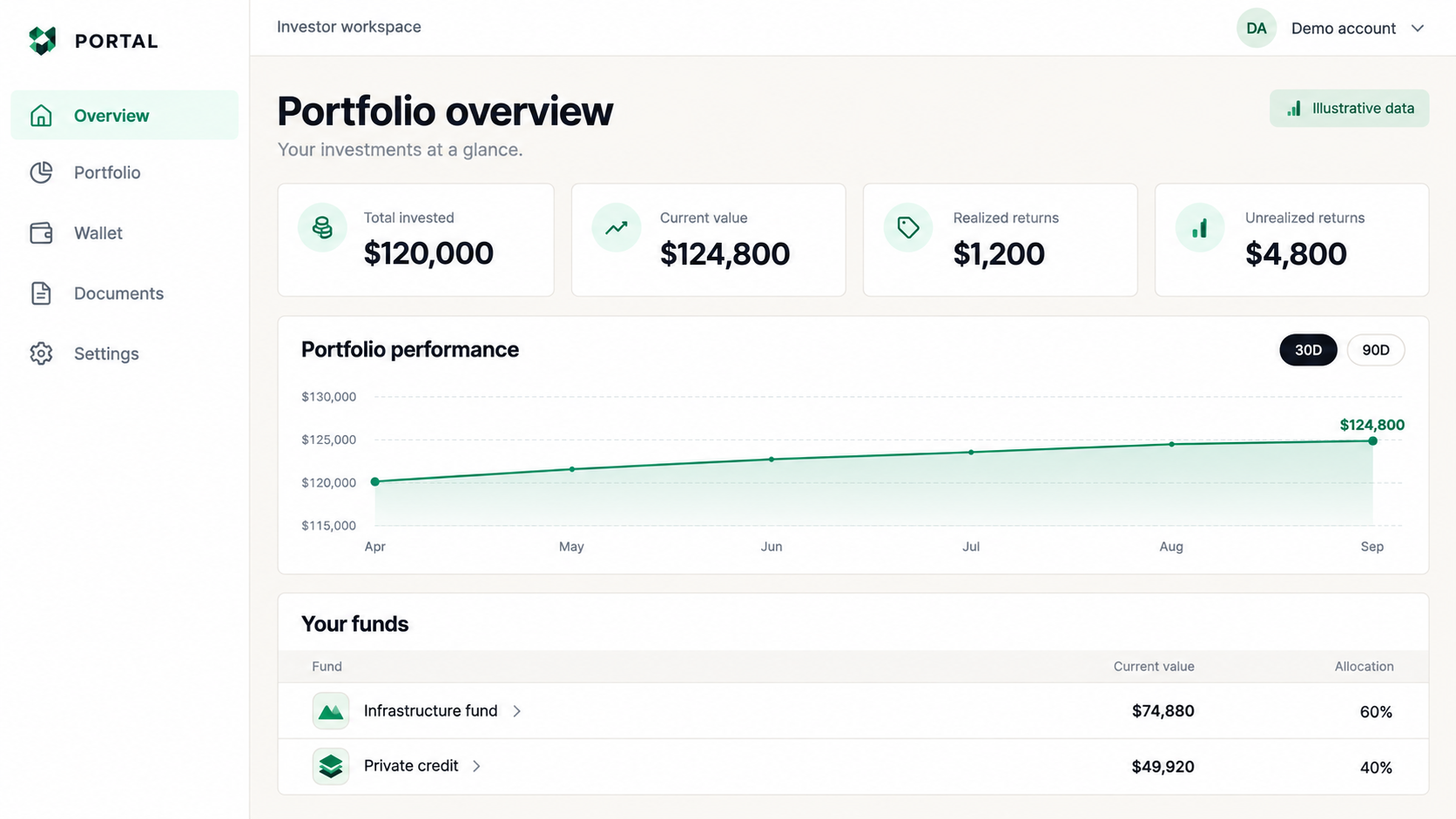
Illustrative SDK capability
See a concrete starting point
An investor dashboard can bring balances, portfolio performance and holdings into one application. This compact example illustrates a custom interface built around those needs.
Explore the developer starter source for a read-only offer explorer with fictional fixtures. Use the SDK integration guide to replace fixtures with an approved service contract. Live verification still requires a provisioned sandbox and application access.
Choose the amount of control your team needs.
| Starting point | What you adopt | What your team owns |
|---|---|---|
Keep ownership clear across the integration.
What Torque SDK owns
The SDK owns transport, authentication strategies, bounded safe reads, typed errors, response validation and selected wallets, including request construction, parsing, correlation metadata, lifecycle disposal and credential isolation.
What your application owns
The app owns user flow and responses to waiting, unavailable or review-needed results. Routes, navigation, sessions, UI state, models, permissions, recovery, provider configuration, policy and deployment stay in the host.
What services and providers own
Global Torque services and connected providers own their operations, authorization and outcomes. Payment, custody, identity and registry confirmations come from those systems; each workflow defines completion evidence.
Common questions
Plan your first SDK integration.